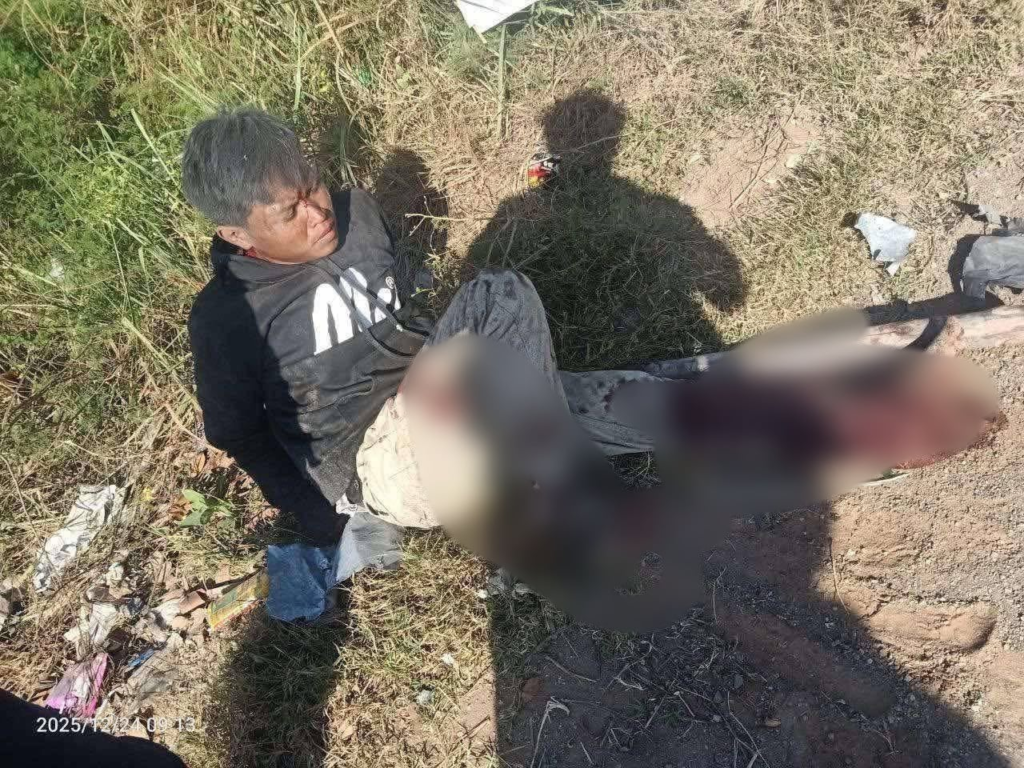
How many people have to die before the international community decides it must step in to stop the Cambodia–Thailand conflict?

This is not a dramatic question. It is one shaped by history—and Cambodia knows the cost of the world waiting too long.
From 1975 to 1979, nearly two million Cambodians died during a period of violence and genocide. The United Nations and powerful countries knew what was happening, yet action came too late. Political interests mattered more than human lives. Cambodia paid the price.
Today, there are worrying signs again. Cambodia is a small, developing country. It does not have a strong economy or a powerful military. This makes it vulnerable. When a stronger country takes action against a weaker one, the issue is no longer just a border dispute: it becomes a test of fairness, justice, and international law.
Thailand’s actions appear linked to its own internal political problems and growing nationalist pressure. History shows that leaders facing unrest at home sometimes look for enemies abroad. Calling this “self-defense” does not change the reality. Attacking a weaker neighbor is still aggression.
Even more troubling is Thailand’s demand that Cambodia send a formal request for a ceasefire. How can the side that starts the violence ask the other side to beg for peace? This is not real diplomacy. It is pressure and intimidation meant to force Cambodia into submission and to gain political support at home.
This is where the United Nations and its member countries must be held responsible. The U.N. was created to protect smaller nations and to stop stronger countries from abusing their power. But history shows that the U.N. often fails when politics get in the way.
Cambodia’s past is a painful example. During the Cold War, global powers argued while Cambodians were dying. The genocide happened not because the world did not know, but because it chose not to act. Political alliances mattered more than human suffering.
That same problem still exists today. Powerful countries often block action that does not serve their interests. Smaller and poorer nations are expected to endure pressure in silence. International law is applied unevenly, strict for some countries, flexible for others.
In the current Cambodia–Thailand conflict, this pattern is repeating itself. The world expresses “concern,” but real action is missing. The clear imbalance between the two countries is ignored. This silence sends a dangerous message: that smaller countries can be pushed around without consequences.
U.N. member states, especially the most influential ones, have a duty to act because Cambodia cannot defend itself on equal terms. Action should mean more than meetings and statements. It should include independent investigations, clear condemnation of aggression, and strong diplomatic pressure.
If the world has truly learned from Cambodia’s tragic past, it must act early—not wait for another disaster. Waiting for more deaths before responding is not caution. It is failure.
The question is simple: will the United Nations protect a small, vulnerable country when it matters, or will Cambodian lives once again be considered not enough?
Prum Phalla is former editor-in-chief of D-News at the Documentation Center of Cambodia in Phnom Penh. He is currently studying for a Master of Human Rights and Global Engagement at Curtin University in Australia.