PHNOM PENH — A newly announced ceasefire between Cambodia and Thailand has momentarily quieted the guns along the border, but it has not eased the suffering of more than 200,000 displaced children, who now face urgent risks from malnutrition, illness and psychological distress, humanitarian responders warn.
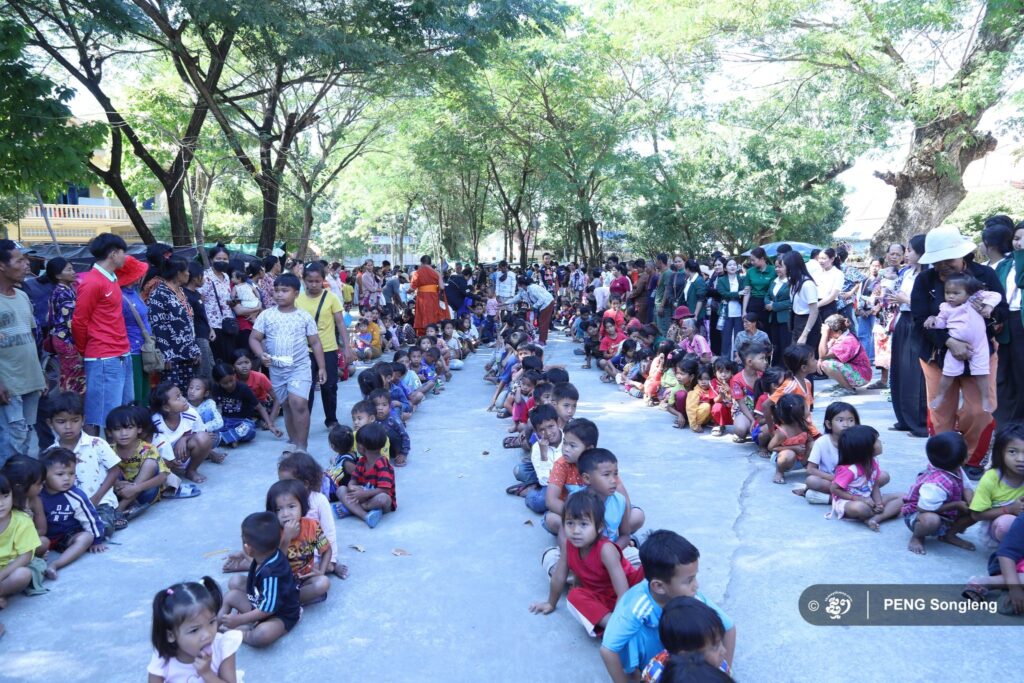
According to the latest situation report from the Cambodia Humanitarian Response Forum (HRF), published on December 27, the humanitarian emergency triggered by weeks of heavy fighting continues to deepen despite the pause in hostilities. Families who fled artillery fire, airstrikes and drone attacks remain scattered across overcrowded evacuation sites and host communities, many having been displaced multiple times with little left to sustain them.
Cambodia and Thailand agreed to a temporary ceasefire beginning December 27 after weeks of intense border fighting that displaced hundreds of thousands and killed civilians. The 72-hour truce, signed at a joint border committee meeting, commits both sides to halt troop and weapon deployments and includes the planned release of 18 Cambodian soldiers held by Thailand. Officials said the pause could allow displaced civilians to begin returning home safely, though they warned against premature returns to unsafe areas.
As of December 25, national authorities recorded 644,589 people displaced, including 204,992 children, with more than half living in 200 temporary sites and the rest staying with relatives or host families. At least 30 civilians have been killed and 88 injured, figures that humanitarian agencies say understate the true toll on children whose lives have been upended.
“The humanitarian situation remains driven by uneven living conditions across sites and repeated displacement,” the HRF said, warning that urgent needs persist across food and nutrition, health, protection and education. “Psychosocial support is increasingly being seen as a critical need and professional support is near to non-existent.”
Nutrition is among the most alarming concerns. Food supplies at many displacement sites remain erratic and heavily dependent on donations, leaving families unsure where their next meal will come from. Diets are dominated by rice, with limited access to protein, fruit or vegetables—conditions that place young children, pregnant women and breastfeeding mothers at heightened risk.
Severe Acute Malnutrition
Screenings conducted in 13 camps reached just over 1,100 children under five and found 3.6 percent suffering from severe acute malnutrition and 17.5 percent from moderate acute malnutrition, the HRF reported. Infant formula is also in short supply, while sugary drinks and ultra-processed foods are increasingly available, further undermining child nutrition.
Health services are struggling to cope with the scale and spread of displacement. A joint assessment by the World Health Organization and Cambodia’s Ministry of Health identified urgent shortages of essential medicines, antibiotics, trauma and surgical supplies, intravenous fluids and equipment needed for maternal and child care. Immunization services have been disrupted, while care for chronic illnesses and childhood infections is uneven or inaccessible in many camps.
Mobile health teams deployed to some sites have provided antenatal care, malnutrition screening and referrals for high-risk pregnancies, but access remains inconsistent, particularly in remote areas or where insecurity persists. The HRF said additional support is urgently needed to strengthen health services inside displacement camps and at overstretched local facilities.
Anxiety, Fear, Trauma and School Closures
Children’s mental health is emerging as a silent emergency. Continued shelling, low-flying aircraft and repeated displacement have fueled anxiety, fear and trauma among young people, many of whom are sleeping in makeshift shelters with little sense of safety. “The continuation of conflict has immensely increased anxiety and trauma among all people in the affected areas and especially among displaced people,” the HRF said.
Education disruption is compounding these harms. The closure of 1,311 schools has affected more than 322,000 students, with over 90 percent of displaced children currently unable to access any form of education. While some children have been re-enrolled near evacuation sites, the vast majority remain cut off from learning, routine and protective school environments.
Protection risks remain high. Many displacement sites lack child-friendly spaces, adequate lighting, gender-segregated sanitation facilities and formal systems to identify or respond to abuse. The HRF warned of heightened risks of violence, exploitation and psychological harm, particularly for children, women and girls.
Humanitarian partners, working under HRF coordination, have reached approximately 222,000 people across seven provinces with food assistance, health services, water and sanitation support and temporary learning activities. But agencies stress that current efforts fall short of what is required as displacement continues and families exhaust coping mechanisms.
“The situation along the Thai border continues to deteriorate,” the HRF said, cautioning that the conflict has expanded beyond border areas and triggered displacement far inland.
As the ceasefire takes hold, humanitarian agencies are urging that the pause be used to secure access, scale up aid and prioritize children’s survival and recovery. Without sustained support for nutrition, health care and protection, they warn, the damage to a generation of Cambodian children will endure long after the guns fall silent.